
No products in the cart.

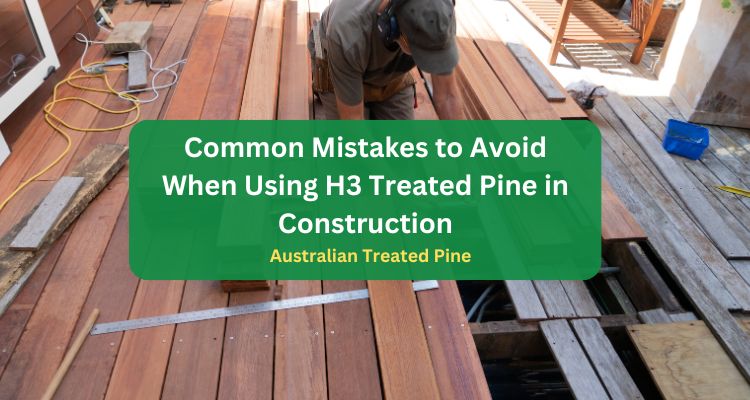
Treated pine, mainly H3-treated pine, is popular in Australian construction due to its durability, cost-effectiveness, and resistance to decay and insects. This is not without reason: H3-treated pine is treated to resist decay and insect attacks, making it highly durable for outdoor applications. This ensures that structures built with H3-treated pine have a longer lifespan and require less frequent replacements.
This type of treated pine is suitable for a wide range of above-ground applications, including decking, pergolas, and fencing. Its versatility makes it a valuable material for various construction projects. And it’s cost-effective too! Compared to other treated woods and materials, H3-treated pine is relatively affordable. However, improper use can compromise its benefits and lifespan.
H3 Treated Pine: Essential Things to Remember
Harnessing the true potential of this versatile material requires careful analysis of your requirements, budget considerations, and following the correct installation techniques. This blog delves into the common mistakes you must avoid to extract maximum benefits from this highly useful timber.
Opting A Wrong Treated Pine Variety
One of the first mistakes is not selecting the appropriate grade of treated pine for your specific project. H3-treated pine is designed for outdoor use, exposed to the weather but not in direct contact with the ground. It’s treated to resist decay and insect attack in above-ground applications. Using H3-treated pine for ground contact, such as fence posts or retaining walls, can lead to premature deterioration. For these applications, H4 or H5-treated pine is more suitable.
Storing It Inappropriately
Treated pine must be stored correctly to maintain its integrity. Leaving H3-treated pine exposed to the elements before installation can lead to warping, splitting, and other damage. Store it off the ground on a flat surface and cover it with a waterproof sheet to protect it from moisture and UV damage. Ensure there is enough ventilation to prevent mould and mildew growth.
Leaving Cuts and Holes Unattended
When you cut or drill into treated pine, you expose untreated inner wood, which can be vulnerable to decay and insect attack. Sealing visible cuts, holes, or notches with an appropriate end-grain sealer or preservative is crucial. This step helps maintain the wood’s protective barrier and extends the lifespan of your treated pine decking or structure.
Faulty Fastening Techniques
Using the wrong type of fasteners can cause problems with treated pine. Standard steel nails and screws can corrode when in contact with the chemicals used in H3-treated pine. This can lead to staining and structural weaknesses. Instead, use hot-dipped galvanised or stainless-steel fasteners, which are resistant to corrosion and will ensure the longevity of your construction.
Overlooking Manufacturer’s Suggestions
Each batch of treated pine may come with specific manufacturer recommendations regarding installation and maintenance. Ignoring these guidelines can lead to improper use and potential material failure. Always read and follow the manufacturer’s instructions to ensure you use the product correctly and safely.
Poor Ventilation and Drainage
Ensuring proper ventilation and drainage is essential for applications like treated pine decking. Poor ventilation can trap moisture, leading to mould growth and wood rot. Likewise, inadequate drainage can cause water pooling, which accelerates decay. Install decking with appropriate gaps between boards and provide sufficient airflow underneath the structure.
Ignoring Environmental Imperatives
Environmental factors such as high humidity, coastal air, and extreme temperatures can impact treated pine differently. It’s essential to consider these factors when planning your project. For instance, in coastal areas, the salt in the air can accelerate the corrosion of fasteners, making stainless steel a necessity. Extra care must be taken in high-humidity regions to ensure proper sealing and maintenance.
Not Undertaking Periodic Maintenance
Even treated pine requires regular maintenance to stay in top condition. Periodically check for any signs of wear, such as cracks, splits, or fungal growth. Clean the surface to remove dirt and debris, and reapply sealers or preservatives to protect the wood from the elements.
H3 Treated Pine: Your Trusted Partner
The natural and aesthetically pleasing appearance of treated pine can be enhanced with various finishes and stains. You get highly customisable timber that boasts sustainable plantation processes and proven durability. Make sure your construction activities get the required boost from treated pine.
By avoiding these above discussed mistakes, you can ensure that using H3-treated pine in construction projects is effective and long-lasting. Following these best practices will help you maximise the benefits of H3-treated pine and enjoy durable, beautiful results in your construction projects. For more information and high-quality treated pine products, visit Australian Treated Pine.
FAQ
1. How do I determine which hazard treatment level (H3, H4, etc) is appropriate for my specific project, such as a deck, retaining wall or fence in Melbourne’s climate?
For decking and above-ground fence rails in Melbourne, you’ll need H3-rated timber, as it’s designed for outdoor use where the wood stays off the ground but faces weather exposure. For posts, retaining walls and any timber touching the ground or staying constantly damp, you must use H4 treatment. The difference comes down to contact – if it touches soil or stays wet, go H4; if it’s elevated and drains properly, H3 will do the job.
2. What are the practical differences between your CCA- and ACQ-treated pine options, and in which applications do you recommend each?
CCA and ACQ both protect against decay, fungi and termites, but ACQ doesn’t contain arsenic, making it safer for close human contact. You’ll find our ACQ NatureWood range used for decking, handrails, outdoor furniture and play equipment – anywhere people regularly touch the timber. CCA LifeWood is typically used for retaining wall sleepers, fence lattices, verandah posts and weatherboards where direct contact is minimal. Both treatments offer decades of durability when installed correctly.
3. Can you help me match your treated pine sizes and grades to engineering or architectural plans that specify particular section sizes and stress grades?
Absolutely. Give us a call with your plans and we’ll work through the specified dimensions and stress grades to find the right match from our stock or custom-mill what you need. Our crew can read your engineering plans and let you know whether off‑the‑shelf sizes will work or if you’ll need something custom. We can also talk you through tolerances and make sure what you’re ordering lines up with the structural specs and Australian Standards your engineer or certifier is chasing.
4. For retaining walls, how do I choose the right sleeper size, post size and spacing to comply with local requirements and ensure long-term performance?
To pick the right sleepers and posts, start with how high the wall is, how reactive the soil is and whether it’s supporting anything heavy like a driveway or building. From there, we can help you size the sleepers and posts, work out sensible post spacing and point you in the right direction so you stay on the right side of local rules and get a wall that lasts.
For a typical backyard wall up to about a metre high, a lot of people use 200 x 75mm sleepers with posts roughly 1.2 metres apart for a nice solid result. As a rule of thumb, don’t stretch the post spacing beyond about 1.5 metres, and aim for your post embedment depth to be similar to the wall height, set into decent concrete footings. For anything in the ground you want H4‑treated timber, and it’s always worth double‑checking with the council, because once you go over certain heights, they may insist on an engineer’s design and a permit.
5. Under typical suburban Melbourne conditions, what service life can I reasonably expect from your treated pine decking and sleepers if installed and maintained correctly?
With proper installation and regular maintenance, you can expect at least 30 years from our treated pine decking. Sleepers in retaining walls and landscaping can go for several decades if they’re installed right with decent drainage and the proper H4 treatment. Melbourne’s temperate climate is relatively kind to treated timber compared with tropical areas. The key factors affecting life span are the selection of the correct hazard level, correct installation with good drainage, and sticking to a regular maintenance routine, including cleaning and recoating.


